Dr. Runa Karnawat’s story.. of identity, earned credibility, and quietly building influence in a space that never really expected her.
Dr. Runa Karnawat
CHRO: Ritwik Finance Enterprises Pvt. Ltd. (NBFC)
Industry: Financial Services
Business Stage: Established and Growing
Location: Jaipur, Rajasthan
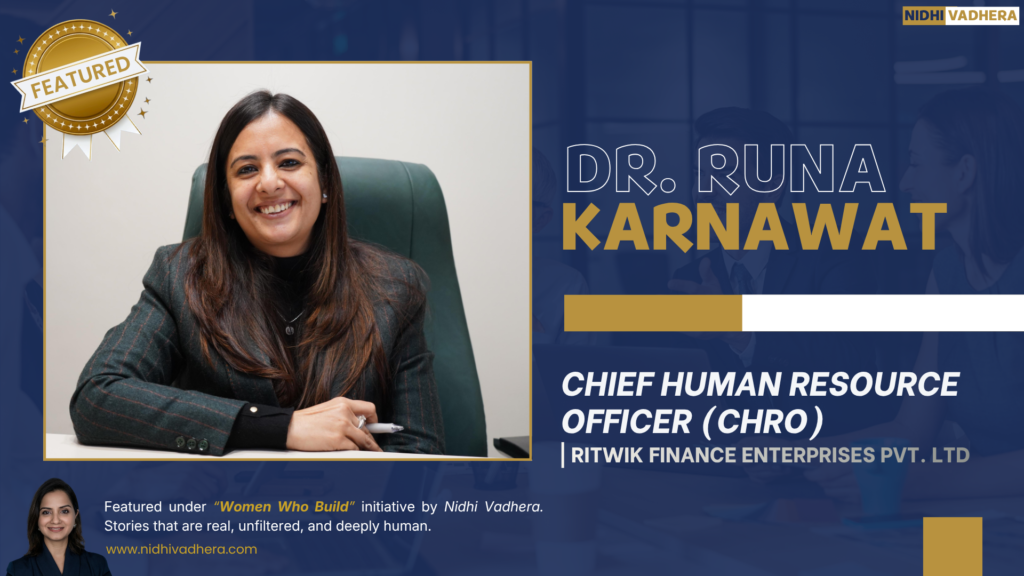
Dr.Runa Karnawat is a serial entrepreneur and the Chief Human Resources Officer at RITWIK FINANCE ENTERPRISES PVT. LTD, where she is building people-first HR systems that balance empathy with performance. With a PhD in Human Resources Management, she combines structured business thinking with human insight to shape culture, leadership, and organisational growth.
Some journeys don’t begin with ambition. They begin with a pause you didn’t plan for. A disruption that quietly asks, now what? That’s where Runa’s story begins. Not in a boardroom. Not in finance. But in a classroom.
Runa was pouring her energy into building Out of Syllabus, a school for children that was futuristic, experiential, and deeply aligned with how she believed learning should feel. It was a natural progression from her earlier initiative, Kidsvilla, a weekend learning space she had created with the same intent. Out of Syllabus was more than just work for her. It was her space, her voice, her way of showing up in the world.
But just as she was about to open doors for admissions, COVID hit. And in a moment, everything she had been building came to a halt.
There’s a certain kind of silence that follows when something you’ve poured yourself into suddenly stops. It doesn’t just leave a gap in your day. It leaves a gap in who you believe you are.
For many, that moment becomes a slow withdrawal. A settling. A quiet acceptance of “maybe this is enough.” But before Runa could slip into that space, her husband gently nudged her in a different direction. He invited her to join the family business, Ritwik Finance, an NBFC that today stands strong with 28+ branches across Rajasthan and a steadily growing presence.
But stepping into unfamiliar territory? How could that be easy? There was no excitement. Only hesitation, and a mind full of questions Runa wasn’t ready to answer:
Will I fit into a space so different from mine?
Will people take me seriously?
Will I lose myself trying to belong here?
Is this truly my choice, or just my husband trying to support me?
And what will the family say… when I become the first woman to step into the family business?
These weren’t light questions. They carried the weight of identity, expectation, and acceptance. Her husband, however, saw something she was still unsure of. He believed in her potential, stood by her with quiet conviction, and kept encouraging her to take that step. Sometimes, clarity doesn’t come before the decision. It comes after you make it.
And so, she stepped in. Not fully certain. But willing.
The first few days were uncomfortable. Everything felt unfamiliar. The language, the structure, the way people thought, spoke, and made decisions. It wasn’t her world. Not yet. But there was another layer to it. This wasn’t just a new job. It was a large, growing family business. And she wasn’t just another professional walking in. She was the daughter-in-law, the first woman in the family to step into this space. Which meant she wasn’t only learning the work. She was also navigating expectations, unspoken comparisons, and the quiet, lingering question in the room, “Will she be able to do this?“
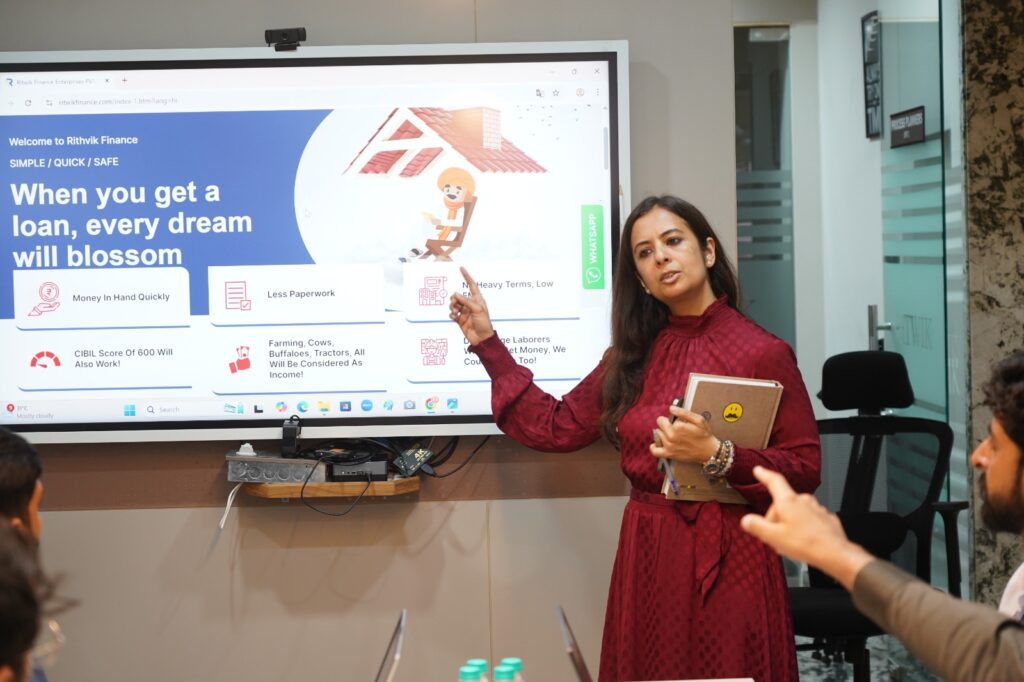
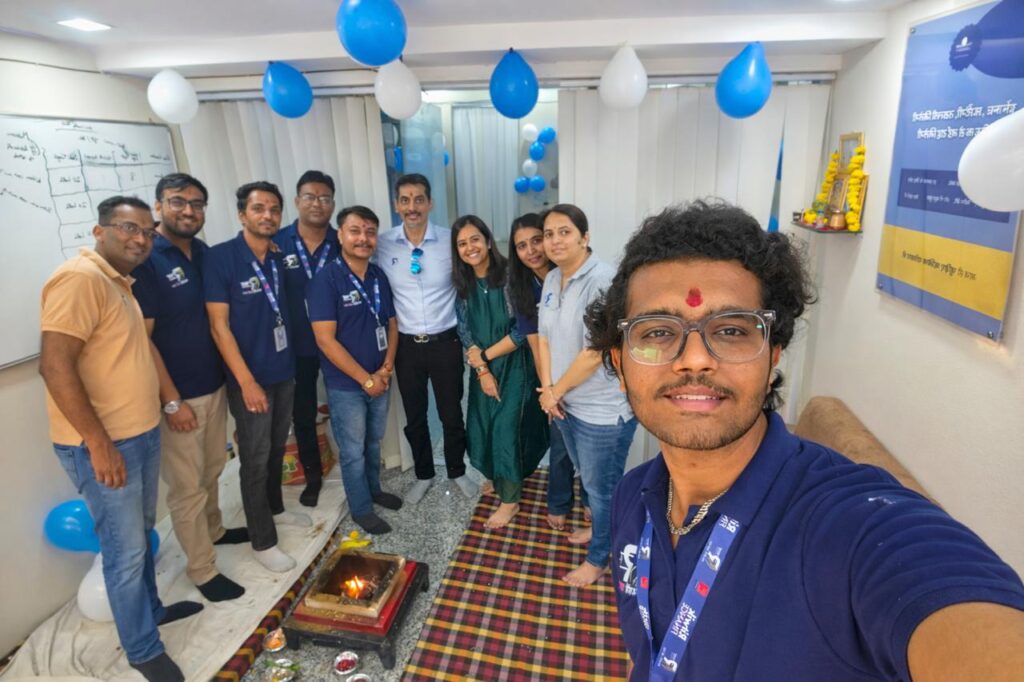
In many ways, Runa was being observed before she was truly understood.
But over time, something began to shift within her. As she started to understand the business, her conviction grew. The unfamiliar slowly turned familiar. Things began to make sense. And in that quiet shift, she made a decision that she would not let herself remain unexpressed. If this was her space now, she would build in it, even if it meant starting from zero. “For me, sitting in that chair of CHRO and doing nothing felt like getting wasted,” she says, simply, as a matter of fact.
One of the first decisions Runa made was internal. She chose not to treat this as a family business. Very early on, she realised that credibility would not come from her title! It may sound like a small shift, but it changed the way she showed up.
The early days were not easy. Even walking into branches came with hesitation. There were glances, conversations that paused midway, and questions that were never asked directly. “Why has madam come?” “What will she teach us?” And sometimes, a label delivered with a smirk..Sethji’s wife! It sounds respectful on the surface, but quietly erases effort. It places you in someone else’s shadow, even when you’re trying to build your own light.
Yes, there were moments when that label could have made her step back. But Runa chose to stay. She chose to observe, to understand, and to contribute. She started by building processes, working closely with people, and listening more than she spoke. She didn’t walk in trying to prove a point; she walked in trying to learn. And slowly, that began to change how people saw her. As CHRO, she chose not to confine herself to what HR was expected to be. She expanded it. In a system where HR was often seen as administrative, or at times, merely ceremonial, she began reshaping it into something far more meaningful: culture, retention, and people-first thinking, built patiently, brick by brick.
At home too, things had to change. Showing up fully at work required support at home and that doesn’t happen automatically, it has to be designed. She set boundaries, asked for shared responsibilities, and built systems that allowed her to function without guilt. “To run a home, you don’t have to be at home,” she says. It sounds simple, but for many women, it’s a shift that takes years to even begin considering.
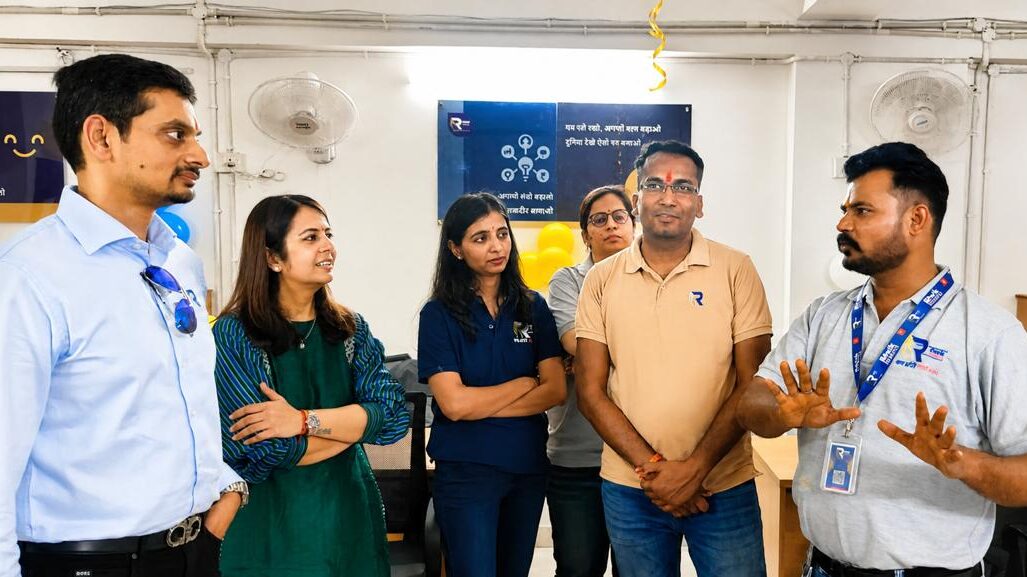
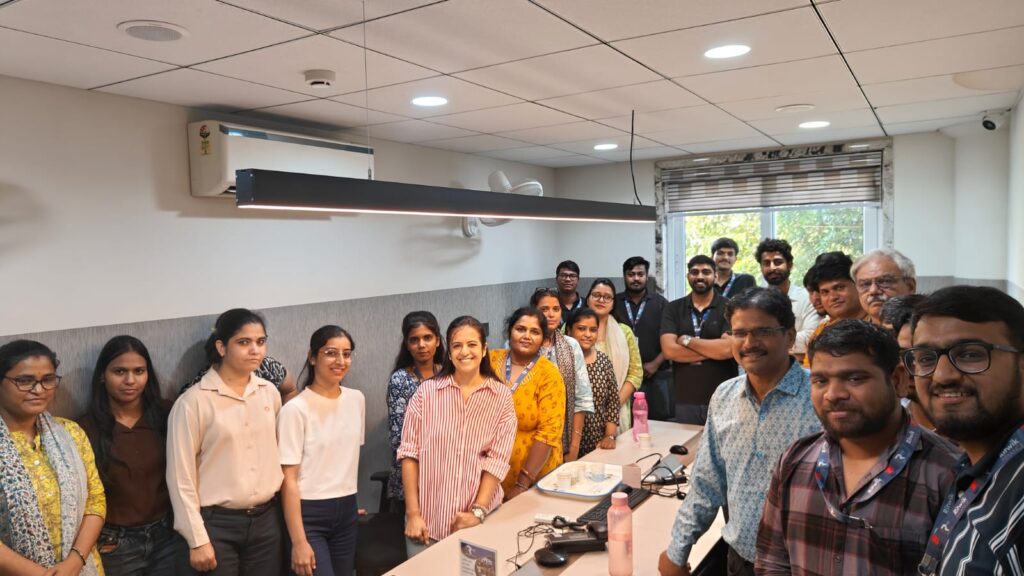
Even after settling into the rhythm of work, the challenges didn’t disappear. If anything, they became more visible.
Convincing a sales-driven organisation that marketing deserved attention.
Holding her ground in meetings where men spoke louder and longer.
Navigating bias. Sometimes subtle, sometimes direct.
There were moments when her ideas didn’t land. Not because they lacked merit, but because they weren’t presented in a way the room could accept. And that’s where she adapted. She learnt to listen first, to prepare better, to choose her timing. And most importantly, to not step back when it truly mattered. It wasn’t comfortable. But it was necessary.
“Sometimes, leadership is about standing in discomfort… and staying there,” she adds.
Over time, she stopped looking outward for constant validation and started grounding herself in her own. “My validation matters,” she says. “And the second that matters most, is from my father-in-law.” It’s a quiet sentence, but it carries depth of respect, of growth, and of a relationship that has evolved through work, not just words.
Today, Runa leads in her own way. Her Chai Pe Charcha conversations are rarely about numbers. They are about people because she believes businesses don’t grow on strategy alone; they grow on trust. And even now, she hasn’t let go of her love for education. It continues to show up. In small moments, in conversations, in the way she expresses herself. Runa believes that what grounds a person personally is what ultimately strengthens them professionally.
Key Takeaways from Runa’s Journey
- Identity is not given, it is built. Titles may open doors, but credibility comes from consistent action.
- You don’t have to know everything to begin. Conviction grows with understanding, so start anyway.
- Family business is still a business. Respect it, earn your space, and contribute with ownership.
- Set boundaries at work and at home. Balance is not found, it is designed.
- Listen before you lead. Influence is often built quietly, not loudly.
- Presentation matters as much as ideas. If your ideas aren’t landing, refine how you communicate them.
- Bias exists, but strategy helps you navigate it. Choose your battles and your approach wisely.
- Keep a part of you untouched by business. Your passion is not a distraction, it is your strength.
Runa’s story is not about stepping into a ready-made space and fitting in. It is about walking into uncertainty and choosing to stay, to learn, to build, to belong. Because sometimes, the biggest shift doesn’t come from changing your environment. It comes from making a quiet decision within: I will not let myself stay unexpressed.
If you are inspired by Dr.Runa’s story, connect with her on Linkedin
Blog By: Nidhi Vadhera
Startup Strategist | Investor | Author (Romancing Targets)
Connect with Nidhi On LinkedIn
Disclaimer: This blog is based on an interview conducted by Nidhi Vadhera with Dr.Runa Karnawat, and on the details shared during the discussion