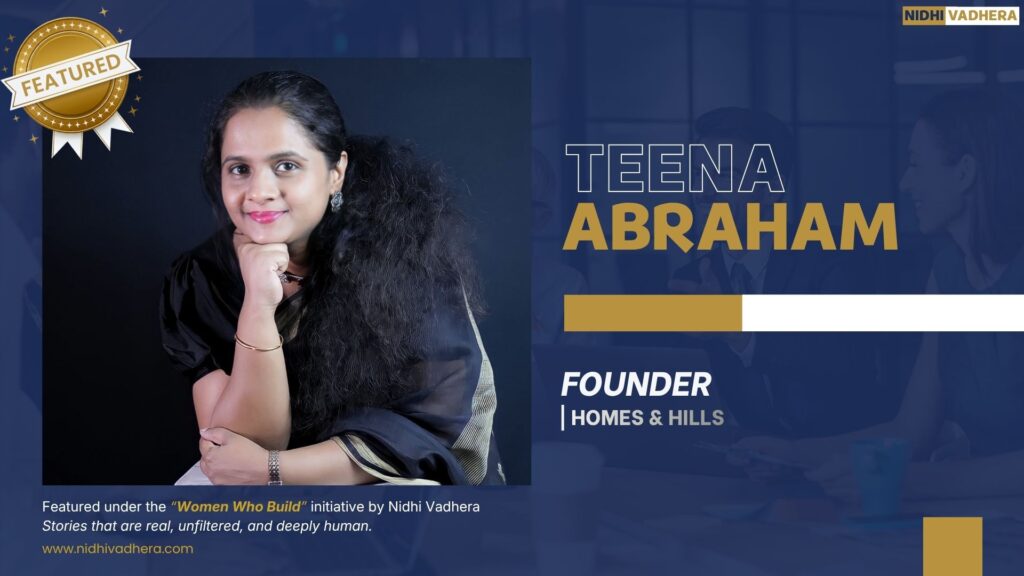
Teena Abraham turned a mother’s search for purity into a purpose driven business, building identity, impact, and freedom along the way.
Teena Abraham
Founder: Homes & Hills
Industry: FMCG (Natural & Organic Products segment)
Location: Bengaluru, India
Some businesses are built from strategy decks. Some, from market gaps. And then there are some that are born out of a very personal, almost invisible moment. A moment that doesn’t look like “entrepreneurship” at all. This is one such story. A brand built somewhere between motherhood, mountains, and meaning.
Teena Abraham was doing fairly well as an HR professional in the IT sector. She was respected by her teams and loved by her colleagues. It was a stable career with predictable growth and a clear identity she had built over years of hard work, resilience, and surviving competition. And just when everything seemed settled, life shifted, as it often does. She took a sabbatical for maternity and stepped fully into motherhood, a role she embraced with love.
But as the days began to find a new rhythm, something within her refused to stay still. Somewhere between caring for her child and adapting to this new phase, a quiet, unsettling voice began to surface. A voice that kept asking, what next? Because how easy is it to let go of an identity you’ve spent years building? She wasn’t sure if she wanted to return to the hustle of corporate life, yet she wasn’t ready to let go of herself either. And it was in this in-between space that a new journey began.
Almost as if life was waiting for the right moment to reveal the next step, it unfolded during a family trip to the hills of Tamil Nadu and Kerala. There, she met tribal communities, saw how they lived, what they produced, and how deeply connected they were to nature. Organic honey, turmeric, spices, condiments. Pure, unprocessed, untouched by the noise of commercialisation. And in that simplicity, she realised that the very things young mothers search for: pure, trustworthy food for their children, already existed. Not in fancy stores or behind premium labels, but deep inside forests, in the hands of people who created them with honesty.
That moment stayed with her, bringing along two emotions at once. Happiness that she had found something so pure for her child, and sadness that the people creating it were still struggling commercially. There was demand. There were authentic suppliers. But the bridge didn’t exist. And that became her “bulb-on” moment. Not as a business plan, but as a question: Why is something so pure, so close to its source, so far from people who need it? Slowly, that question turned into an intent to solve something real, for herself and for many mothers like her.
But intent, no matter how strong, doesn’t instantly translate into action. It needs space to evolve, to be questioned, and to be shaped by the world around us. And so, what followed wasn’t a bold, dramatic leap, but a series of quiet moments, conversations, and gentle nudges. We often imagine decisions as loud turning points, but for Teena, it was far more subtle. When she spoke about bridging this gap, her in-laws encouraged her gently, “You are good with people. Start something.” Her husband was more cautious, “Give it time.” Friends smiled and said, “Why not? It can be a hobby. You can manage it alongside being a mother.”
And so, even without feeling fully ready, Teena chose to begin. Yes, there were fears..of closing the doors to her corporate identity, of letting go of financial stability, of stepping into something that didn’t yet have a name. But she began. No physical stores, no grand launch, no marketing playbook. Just organic honey and WhatsApp. Initially, her being on the phone constantly created confusion at home. For many families, the idea of building a business digitally was still unfamiliar; it didn’t look like work. And though her methods were not fully understood, there was never discouragement.
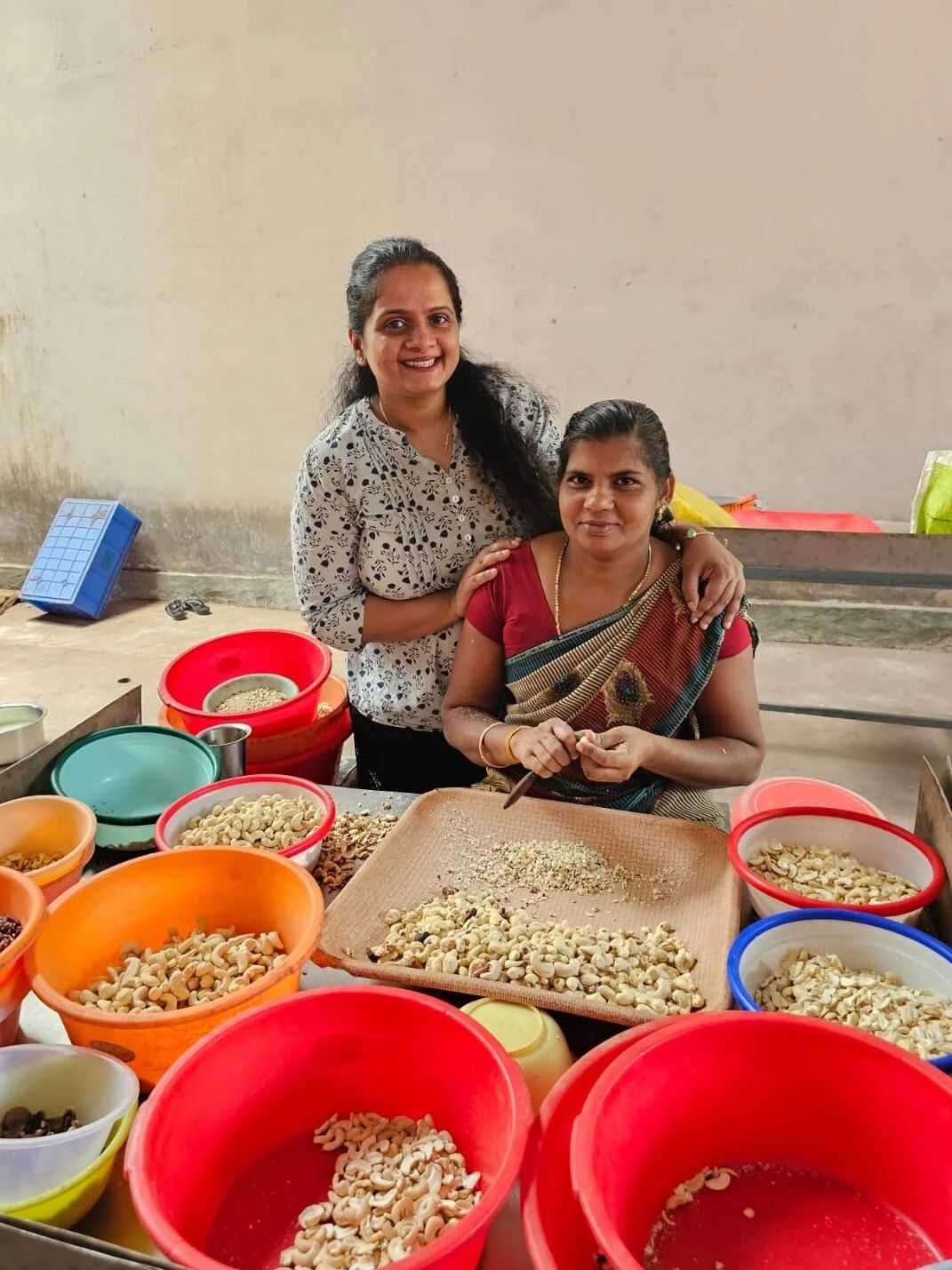
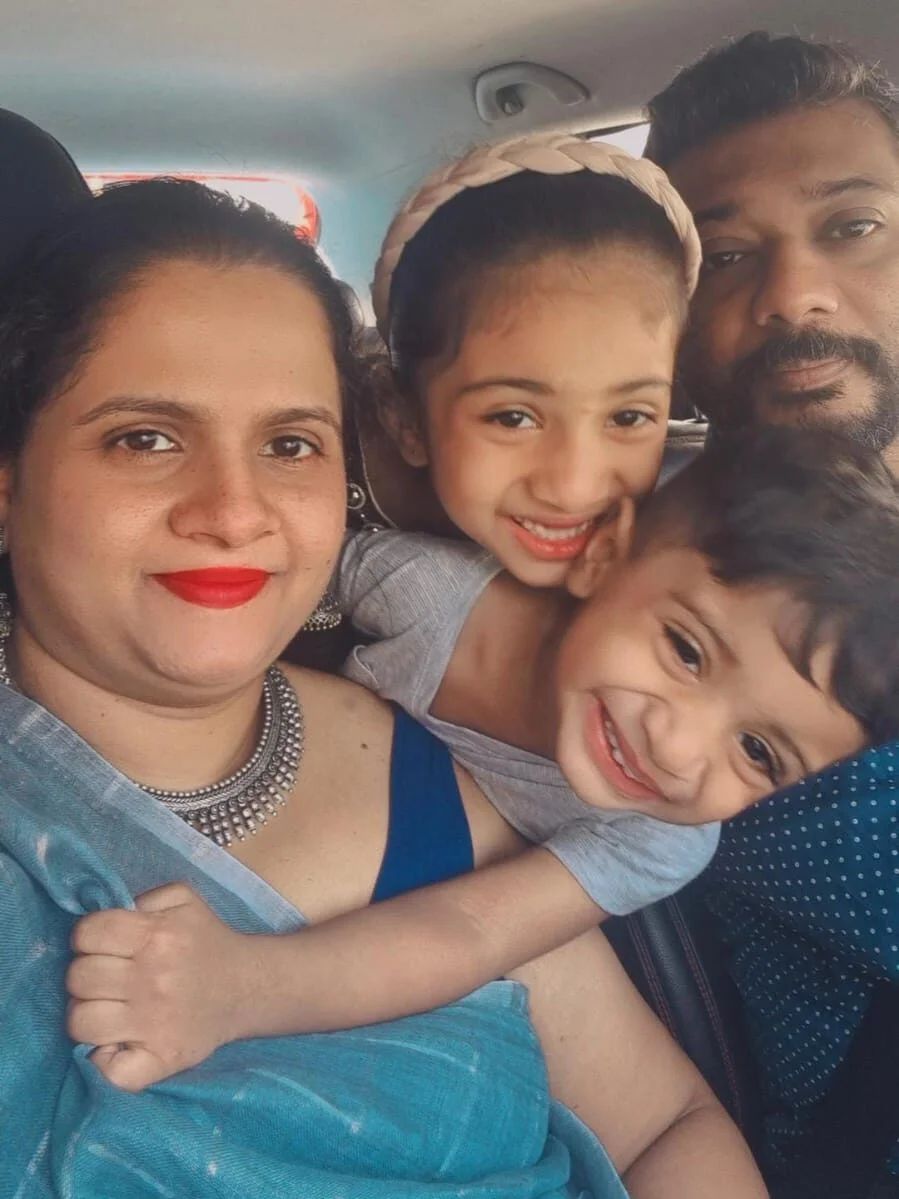
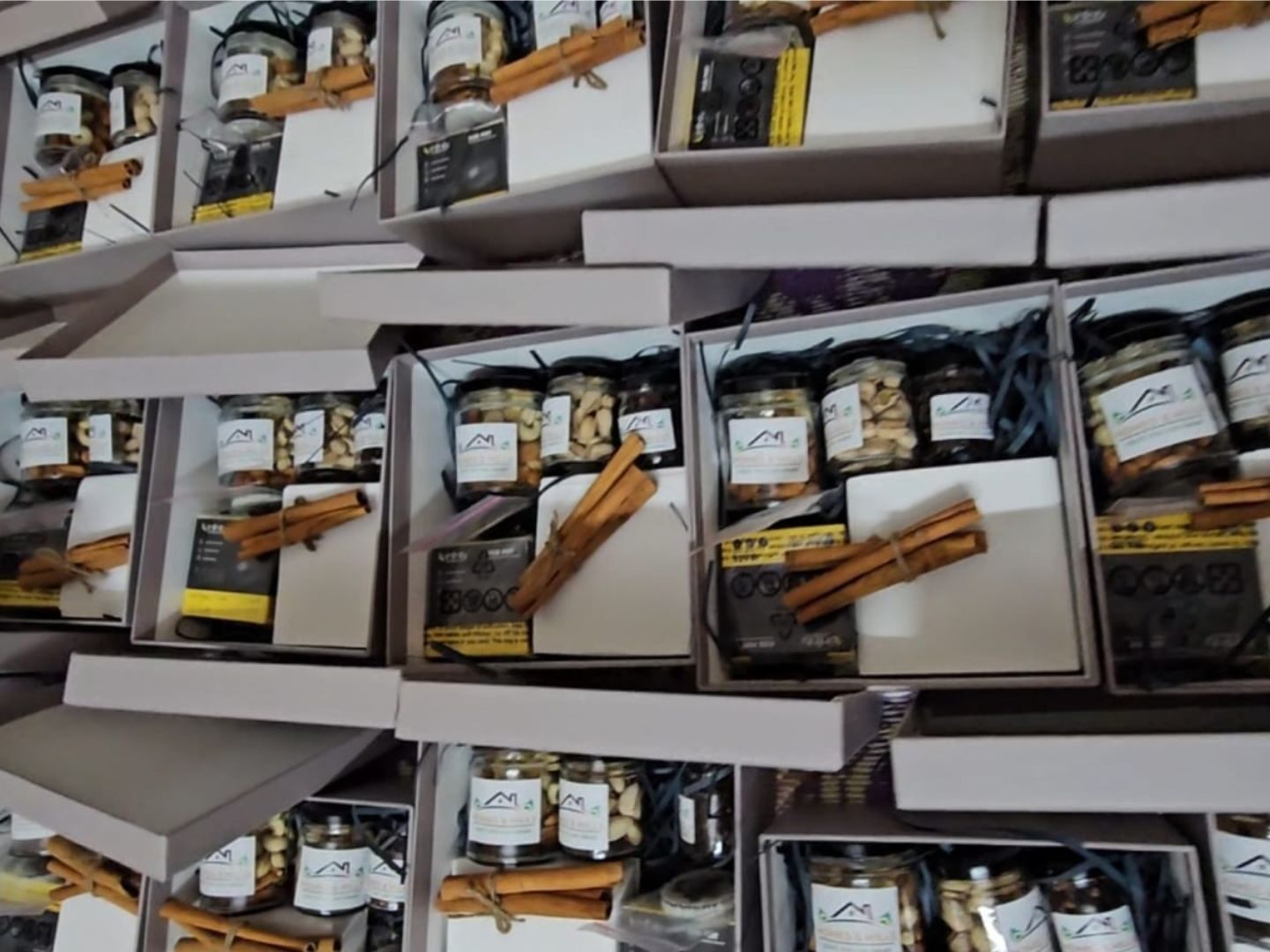
Step by step, she kept going. She gradually expanded her product range and built her client base. Through WhatsApp and her participation in offline events such as fairs and pop-up stores, she continues to build her business bit by bit. Today, her family understands why she is on the phone all the time. Even her husband has moved from caution to conviction and actively supports the business. “Today,” she says, “he is the hands and legs of the business.” With a smile, she adds, “Reels have changed the game today. I wish it existed when I started.”
While that support became her strength, it didn’t take away the weight of everything she was carrying. Support doesn’t mean the absence of struggle, especially for women. As Teena balanced caregiving and business, she often felt she couldn’t go full throttle. There were days, and sometimes even now, when she would look at others scaling faster and wonder, maybe I could have done more… if I had more time, more energy. On top of that, there was judgement. People assumed it was just something she was doing to pass time. This is the bitter truth about women who build quietly. The world often doesn’t take them seriously until it has to. But she didn’t argue, she didn’t justify. She kept building quietly.
And just when she was finding her rhythm, a phase arrived that every founder remembers. The one where everything feels like it might fall apart. For her brainchild, Homes & Hills, it was COVID. Complete lockdown. Broken supply chains. Disconnected vendors. And the irony? Demand was at its peak. People were searching for immunity, for purity, for exactly what she offered! “Organic honey saw a huge surge in demand,” she recalls, “and I felt helpless that I wasn’t able to cater to it.” Some may have seen this as a silent ending, but Teena saw something priceless: the demand existed, and she was on the right track.
That’s what resilience looks like: to see possibility when survival itself feels uncertain, to hold on to validation even when everything else is slipping. And in that moment of uncertainty, she held on to one belief, “It has to happen now.” And that belief didn’t just help her survive that phase, it quietly laid the foundation for everything that followed.
Today, Teena has built a financially stable, profitable business. She started with her PF savings and grew it through patience. It took her two years to reach stability. She now serves her customers through both online and offline channels. Her WhatsApp is still active, still personal, still close to the way she started.
But what stands out most is not just what she built; it’s how she leads. She believes in listening, in collaborating, and in delegating. She values empathy, but not at the cost of being taken for granted. She apologises when she is wrong and gives second chances when things are beyond control. She has learnt to lead from a place of awareness, not ego. When I asked her about scaling, she paused and said, “We often talk about revenue, marketing, funding and yes, all of that matters. Numbers are important, but the way you grow and evolve as a leader, as an individual is equally critical”.
Operating in a male dominated ecosystem of farmers and vendors, she noticed that men spoke differently to men, and there was a natural respect for authority. But when women spoke, the weight wasn’t the same, until she asserted herself, until she held her ground. And when Teena did, the glass ceiling broke, and her stakeholders began to look at her with respect.
Over the years, her vision has shifted. Before entrepreneurship, life was about her. Now, it is about her family, her vendors, her customers, her community, her society. That shift is the real transformation; not revenue, not growth, but perspective. For Teena, success is not a number. It is the distance between where she started and where she stands today. It is the way her family sees her, the way her community trusts her, and the way her customers come back. Yes, she values scale and stability, but above everything, she values freedom.
The freedom to choose, the freedom to try, and the freedom to build on her own terms.
When she reflects on her journey, she knows there are many things that may hold women back. Awareness, support, funds, mentorship. But never capability. Her eyes light up when she talks about the shift she sees today: women stepping out, taking risks, not waiting for perfect ideas, not waiting for perfect timing. And she feels proud to be a part of this change, alongside many women who have been building quietly and consistently for generations.
In her words:
You don’t start when you are ready.
You don’t start when everything is clear and perfect
You start from the place you are.
Connect with Teena On Linkedin
homesandhills.com
Blog By: Nidhi Vadhera
Startup Strategist | Investor | Author (Romancing Targets)
Connect with Nidhi On LinkedIn
**This blog is based on an interview conducted by Nidhi Vadhera with Teena Abraham, and on the details shared during the discussion**